
The Honest Truth About Whether Home Security Cameras Actually Prevent Crime
It is a fair question, and honestly, not enough people ask it before spending hundreds of pounds on cameras, cables, and cloud subscriptions. You install the kit, you feel safer, you go to bed a little more at ease — but does any of it actually deter a determined burglar, or are you simply buying peace of mind with a lens attached?
The truth, as with most things in life, sits somewhere in the middle. And understanding where that middle ground is can help you make smarter decisions about your home security rather than just reactive ones.
What the Research Actually Says: Do Home Security Cameras Actually Stop Crime, or Do They Just Make You Feel Better?
Studies on the relationship between visible surveillance and crime rates do show a genuine deterrent effect, but with important caveats. Research carried out across residential areas in the United States and the United Kingdom consistently found that homes with visible cameras were less likely to be targeted than those without.
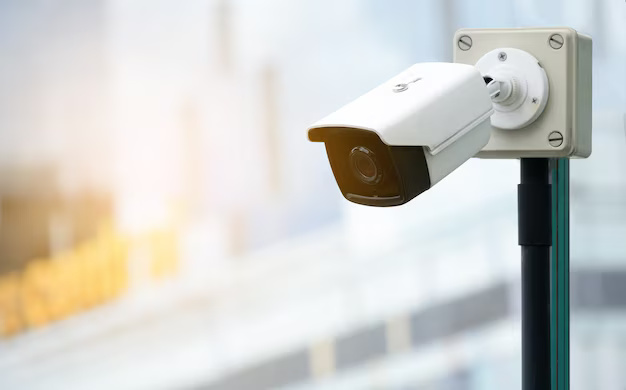
A study from the Urban Institute found that camera systems contributed to measurable reductions in certain types of acquisitive crime, particularly in areas where they were deployed as part of a wider community effort. The keyword there is visible. Cameras that are hidden or poorly positioned do little to deter crime because the deterrent effect depends almost entirely on a potential intruder noticing them before they act. If someone cannot see your camera, they cannot be discouraged by it.
The Type of Criminal
Here is something the marketing materials rarely tell you: security cameras are far more effective against opportunistic offenders than against determined, experienced ones. An opportunist, someone who tries a door handle on a whim, or spots an open window, is exactly the kind of person who will think twice when they notice a camera mounted above your front door. They will simply move on to an easier target.
A professional burglar, however, is a different matter. Someone who has cased your property, knows your routine, and has planned their approach is far less likely to be put off by a camera alone. They may cover their face, disable the device, or simply act quickly enough that the footage is of limited use during the event itself. In those cases, your camera becomes a post-incident tool rather than a preventive one. Useful for insurance claims and police investigations, but not a shield in the moment.
Where Cameras Do Earn Their Keep
Despite those limitations, dismissing home security cameras entirely would be unfair and inaccurate. When they are properly installed and positioned, they offer genuine value in several ways:
- Evidence gathering – Clear footage can be the difference between a case going nowhere and a prosecution succeeding. Insurers also respond well to documented evidence.
- Remote monitoring – Modern systems let you check in on your property in real time, which is particularly useful if you travel frequently or have a second home.
- Alerting you early – Motion-triggered notifications allow you to call the police while something is still unfolding rather than discovering the aftermath.
- Neighbourhood effect – When several homes in a street have cameras, the deterrent effect multiplies. One camera is a mild inconvenience to a criminal; a street full of them is a genuine risk they may not want to take.
If you are considering a modern smart camera system, going through a professional eufy camera installation rather than a DIY setup can make a significant difference to coverage angles, connectivity reliability, and whether your system actually records what it is supposed to when it matters most.
The Placement Problem Nobody Talks About
Even a good camera becomes almost useless if it is pointed at the wrong thing. This is one of the most common and costly mistakes homeowners make. A camera angled too high captures rooftops and sky. One positioned too low misses faces entirely. A camera placed inside a porch behind glass picks up glare and reflection rather than useful footage. These are not minor technicalities — they are the difference between footage that identifies someone and footage that is completely inadmissible or useless.
This is also where local knowledge genuinely earns its value. Someone familiar with the layout of terraced streets, the common entry points in a given area, and the way light falls across a property at different times of day will position a camera far more effectively than a generic guide ever could. A professional handling security camera installation Castleford, for instance, brings that kind of contextual understanding to the job — the sort that no instruction manual accounts for.
So, Do They Actually Prevent Crime?
Yes — but conditionally. Cameras reduce the likelihood of opportunistic crime when they are visible, well-placed, and part of a broader security approach that includes decent locks, adequate lighting, and a neighbourhood that is generally switched on. They are not a standalone solution, and they are certainly not a guarantee.
What they do consistently and reliably is shift risk. They make your home a less attractive proposition than the one next door without a camera. In that sense, they work — not by making crime impossible, but by making your home the harder choice. And sometimes, that is exactly enough.



Leave a Reply