
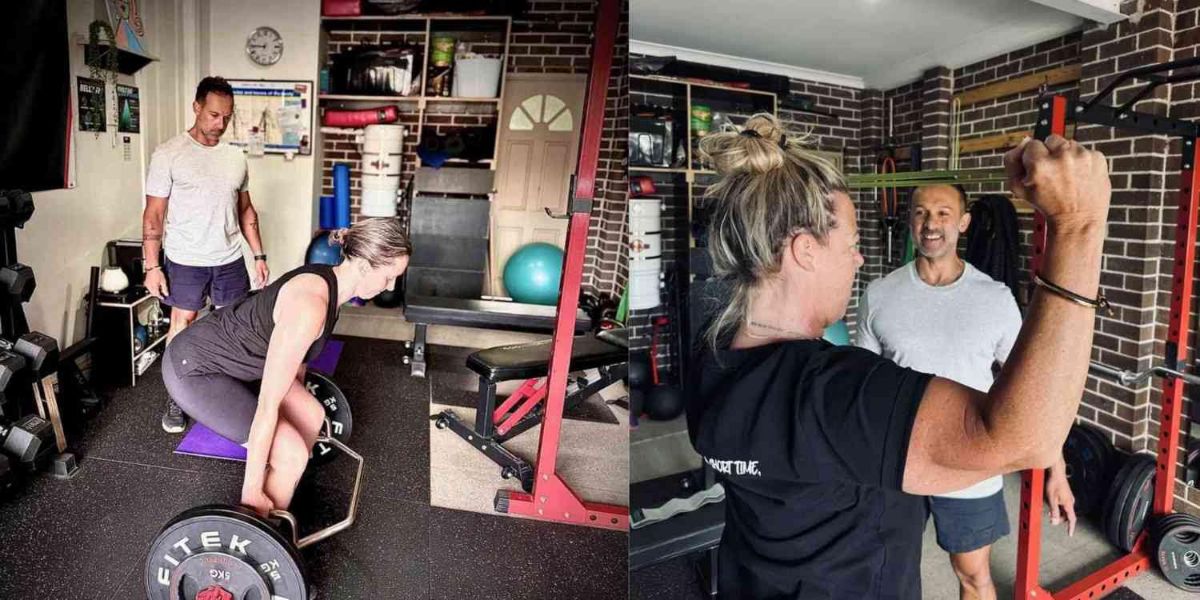
Strength and Mobility Training for Better Movement and Stability
Strength and mobility training is one of the most important foundations of long-term physical health, yet it is often overlooked or misunderstood. Many people focus only on lifting heavier weights or doing high-intensity workouts, without considering how well their body actually moves. True fitness is not just about strength alone, but also about control, flexibility, and joint stability. When strength and mobility are trained together, the body becomes more resilient, efficient, and less prone to injury.
This approach is especially effective when paired with injury prevention fitness training, as it helps reduce physical strain and improves movement quality in everyday life. Whether someone is an athlete, a fitness enthusiast, or simply trying to stay active and pain-free, combining strength and mobility creates a balanced and sustainable foundation for long-term health.
Why Strength and Mobility Must Work Together
Building strength without losing movement quality
Strength training helps build muscle and power, but without mobility work, muscles can become tight and movement can become restricted. This often leads to stiffness and poor movement patterns. When mobility is included, the body maintains a full range of motion while still developing strength. This balance ensures that progress in the gym translates into better movement in daily life.
Improving joint health and reducing stiffness
Healthy joints are essential for pain-free movement. Mobility training focuses on keeping joints active, flexible, and well-supported. When combined with strength exercises, it helps distribute pressure more evenly across the body. This reduces stiffness and improves comfort during physical activity, especially in areas like the hips, shoulders, and knees.
Enhancing posture and body alignment
Poor posture is often the result of muscle imbalances and limited mobility. Strength and mobility training helps correct these issues by strengthening weak areas while improving flexibility in tight muscles. Over time, this leads to better spinal alignment, reduced back pain, and improved overall posture in both sitting and standing positions.
Reducing injury risk in daily movement
Many injuries do not happen during intense workouts but during simple daily activities like bending, twisting, or lifting. When the body is both strong and mobile, it can handle these movements more safely. This reduces the risk of strains, sprains, and overuse injuries, making everyday life more comfortable and secure.
Supporting long-term physical independence
Maintaining strength and mobility is essential for long-term independence. As the body ages, these qualities help preserve balance, coordination, and movement ability. Training both ensures that individuals can continue to perform daily tasks with ease and confidence over time.
The Role of Strength Training in Functional Fitness
Building real-world strength, not just gym strength
Functional strength focuses on improving performance in everyday activities. Instead of isolating muscles for appearance alone, strength training in this context improves lifting, carrying, bending, and stabilising movements. This makes the body more practical and capable in real-life situations.
Improving core stability and control
A strong core is essential for nearly every movement the body performs. Strength training helps develop deep core muscles that support the spine and improve balance. This reduces the risk of back pain and improves overall movement efficiency.
Enhancing muscle coordination
Strength training improves the way muscles work together. Instead of isolated movement, the body learns to activate multiple muscle groups at once. This improves coordination and makes physical activity smoother and more efficient.
Increasing overall physical resilience
A stronger body is better able to handle stress and physical load. Whether it is exercise, work, or daily tasks, strength training improves endurance and reduces fatigue. This helps individuals stay active for longer periods without discomfort.
Supporting athletic performance and energy levels
Even for non-athletes, strength training improves energy and performance. It enhances metabolism, supports better movement efficiency, and reduces the effort required for physical tasks, making the body more capable overall.
Conclusion: A Complete System for Strong, Mobile Movement
Strength and mobility training together create a powerful foundation for long-term health, performance, and injury prevention. Instead of focusing on just one aspect of fitness, this approach builds a balanced body that is strong, flexible, and resilient. When combined with structured systems like injury prevention fitness training, it becomes even more effective in supporting safe and sustainable progress.
This method is not just for athletes or advanced trainees—it is for anyone who wants to move better, feel stronger, and maintain physical independence for life. By training both strength and mobility consistently, the body becomes more capable, more efficient, and far more resistant to injury over time.




Leave a Reply