
Storm Season Is Here and Your Home Might Not Be as Ready as You Think
Every year when storm season arrives, most homeowners do roughly the same thing. They check the weather app more often, maybe stock up on a few emergency supplies, and mentally note that the gutters probably need to be cleaned at some point. But real preparation for storm season goes much deeper than a checklist. Your home is about to face weeks or months of elevated rain, wind, and humidity. How well it handles all of that depends significantly on decisions you make before the first serious storm of the season rolls through.
What Storms Do to a Home That Most People Underestimate
Storms affect homes in ways that go far beyond the dramatic and obvious. Yes, flooding and direct water intrusion are the most visible outcomes. But the more common experience is a home that takes on smaller amounts of water repeatedly over an extended period. A roof with a slightly compromised area around a vent boot. Siding with a gap where two panels meet. A window seal that is no longer doing its job effectively. Each of these lets in a small amount of water with every storm. That water soaks into surrounding materials over and over through an entire rainy season. By the end of it, what looked like a minor vulnerability has quietly produced significant damage inside the structure.
Why the Aftermath Matters More Than the Storm Itself
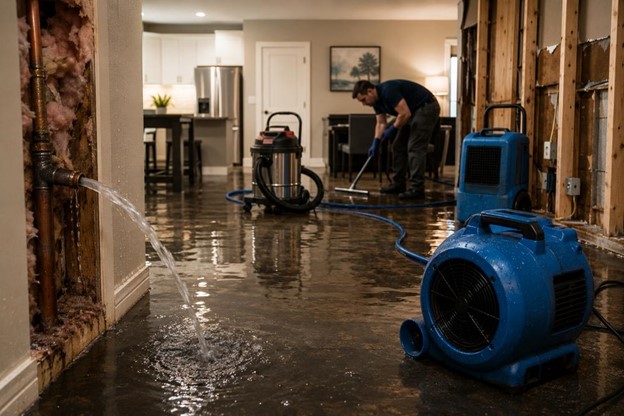
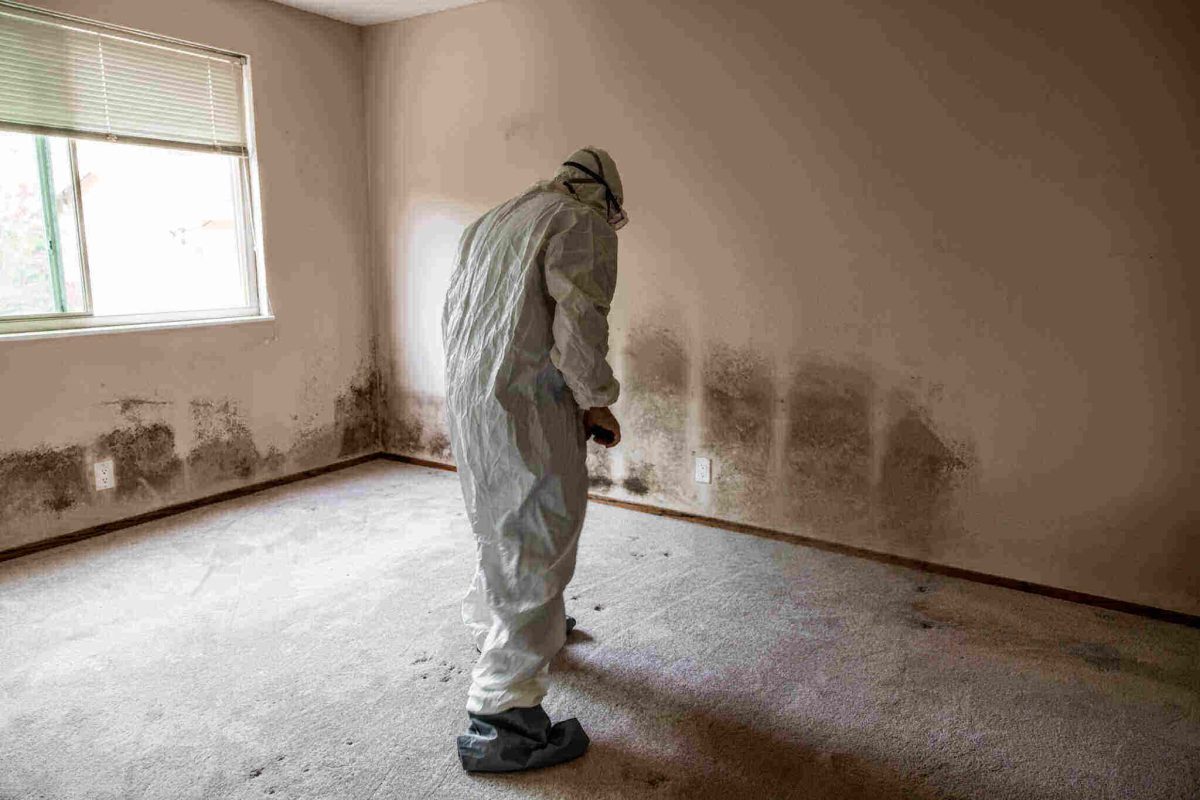
One of the most important things to understand about storm damage is that the storm is often just the beginning. What happens in the days and weeks after a significant weather event is where the real long-term impact takes shape. Materials that got wet need to dry completely before they can be evaluated or repaired. If they do not, the moisture that stays trapped inside them creates conditions that continue to deteriorate the surrounding structure. Timely and thorough water damage restoration done in the period immediately following a storm event dramatically changes the final outcome compared to waiting and hoping things dry on their own. Professional assessment and professional drying are what make the difference between a recoverable situation and a much larger one.
How Repeat Events Compound the Damage
One of the things that makes storm season particularly difficult for homes with existing vulnerabilities is that damage compounds over multiple events. A wall assembly that got wet in the first big storm of the season and never fully dried is starting the next storm already compromised. Water entry in the same location a second time affects materials that have already been weakened. By the third or fourth event in a season, what could have been addressed after storm one has become something that requires significant reconstruction rather than a targeted repair. This is why finding and fixing vulnerabilities between storms rather than waiting until the season ends is always worth the time and effort it requires.
Doing the Repair Work the Right Way
When it comes to storm damage, doing the repair correctly matters as much as doing it quickly. Proper water damage repair means addressing the cause, not just the evidence. It means replacing materials that are compromised rather than covering them with new finishes. It means drying affected areas to a confirmed standard before sealing anything back up. And it means inspecting every related system in the affected area, including insulation, framing, and any mechanical components that may have been in the path of water intrusion. Work done at that standard holds up. Work done to just make things look normal again has a way of revealing its shortcuts a season or two later when the same vulnerability creates the same problem again.
Storm season does not give you the choice of opting out. What it does give you is the opportunity to be ready for it rather than surprised by it. A few hours spent walking through your home with storm preparation in mind is one of the most worthwhile investments a homeowner can make each year. The problems you find and fix before the rain arrives are the ones that never make your life harder down the road.


Leave a Reply