
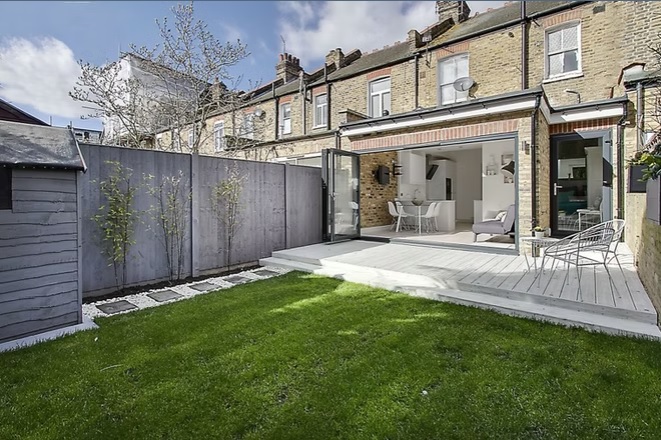
A Smooth Home Extension Starts Long Before Construction Begins
Most people think a home extension really begins when builders arrive and walls start coming down. In reality, it begins much earlier, in quiet conversations at the kitchen table, in those small daily frustrations that keep repeating themselves. Maybe the dining space feels cramped every time friends come over. Maybe working from home has taken over the living room. Or maybe the house simply does not flow the way it once did. Extending starts as a feeling before it becomes a plan. And the smoother that early stage is handled, the calmer everything else tends to be.
The biggest shift homeowners can make is to see an extension not as a construction project, but as a thinking project. Space alone is not the goal. Better living is. That means slowing down at the beginning and focusing on how you want your home to feel, not just how much bigger it should be.
Begin With Structure Not Just Style
It is easy to jump straight into finishes, colors, and big glass doors. But those decisions only work well when the structure underneath is right. Layout, light, circulation, and proportion come first. When those are clear, everything else falls into place more naturally.
This is where Home Extension Design & Planning Services quietly prove their value. They connect the creative side of design with the practical realities of permissions, technical drawings, and coordination. Instead of treating planning as a separate hurdle, they weave it into the process from day one. That integration reduces redesigns and keeps expectations grounded. It is less about dramatic ideas and more about well considered ones.
Think Carefully About Who Builds It
One part of the process that does not get enough attention is Contractor selection for home builds. Even the best design can struggle if the build team is not aligned with the vision or the level of detail required. Choosing a contractor is not just about price. It is about communication, reliability, and understanding how the project will actually unfold on site.
Taking time to review past projects, ask clear questions, and understand timelines makes a difference. A good working relationship between the design team and contractor keeps things steady. When everyone understands the intent behind the drawings, the result tends to reflect that shared understanding. Rushed decisions at this stage often lead to tension later, so patience really pays off.
Regulations Are Part of the Comfort Story
Building regulations can sound technical and distant from daily life, but they directly affect how your extension feels once completed. Insulation impacts warmth. Ventilation shapes air quality. Structural details determine long term durability. These are not abstract concerns. They shape everyday comfort.
That is why House extension design and building regulations support matters more than many homeowners expect. Having guidance through this stage ensures that compliance is not treated as a box to tick, but as an opportunity to improve performance. An Architectural Technologist often plays a key role here, translating creative ideas into technical solutions that work in practice. When handled properly, regulations become part of good design rather than an obstacle to it.
Communication Keeps the Process Human
Extensions involve many moving parts. Drawings evolve. Decisions shift. Unexpected site conditions sometimes appear. Clear and consistent communication reduces stress during these moments. When homeowners understand why changes happen and how they affect the timeline, trust stays intact.
Studios like studio-mass tend to approach projects with clarity rather than complexity. They focus on guiding clients through each step without overwhelming them with jargon. That grounded approach makes the process feel collaborative instead of intimidating. It reminds everyone that the goal is not just a finished space, but a positive experience getting there.
Budget Is a Guide Not a Limitation
Open conversations about budget often feel uncomfortable, but they are essential. Knowing your limits helps shape smarter design choices. Sometimes simplifying the footprint allows for better materials. Sometimes adjusting the layout reduces structural costs. These small decisions add up.
When design and planning are aligned from the start, budgets tend to stay more predictable. Surprises are minimized because the groundwork was carefully laid. Extensions feel less reactive and more intentional.
Build a Home That Evolves With You
A well planned extension should not just solve today’s problems. It should allow room for change. Families grow. Work patterns shift. Needs evolve. Thoughtful design anticipates this flexibility without making the home feel over complicated.
If you are considering extending, resist the urge to rush. Spend time clarifying your needs. Seek support that blends creativity with technical understanding. Pay attention to who will build it and how regulations are handled. When each layer is approached with care, the finished extension does more than add space. It brings ease, comfort, and a sense that your home finally fits the life you are living.




Leave a Reply