
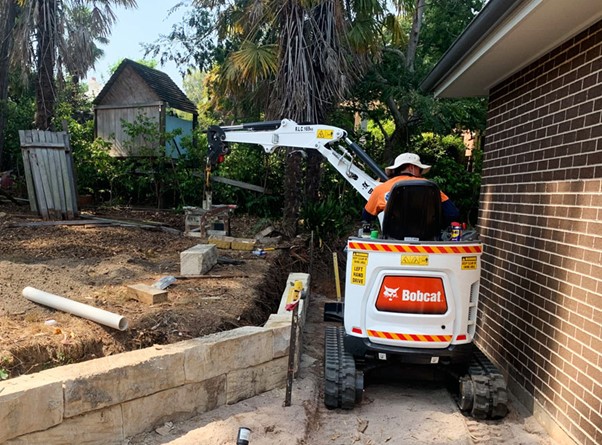
When Space Gets Tight: Real Advice for Moving Heavy Machinery Out
There is a special kind of stress that comes with moving big machines through small spaces. Wide open factory floors are one thing, but tight corners, low ceilings, and narrow doorways change everything. Suddenly, a simple move turns into a puzzle that needs patience more than strength.
If you have ever stood there staring at a machine and wondering how it is even going to fit through that exit, you are not alone. These situations happen more often than people think, and the way you handle them makes all the difference.
First, Really Look at the Space
Before touching anything, take a proper look around. Not a quick glance, but a slow walk. Notice every doorway, every turn, every ceiling height. Check for pipes, beams, or anything that could get in the way.
It sounds basic, but this step is often rushed. And when it is rushed, problems show up later. Measurements matter here. Even a few inches can change your entire approach.
Take photos if needed. When things start moving, it helps to have a clear reference of what you are working with.
Break the Machine Down If You Can
One of the biggest mistakes people make is trying to move everything in one piece. In tight spaces, that rarely works. If the equipment allows it, break it down into smaller parts.
Remove attachments, separate sections, and keep all components organized. It might take extra time upfront, but it makes the actual move much easier and safer.
Also, label everything. It might feel tedious in the moment, but it saves you from confusion when it is time to put things back together.
Plan the Route Like a Puzzle
When space is limited, you cannot just pick the shortest path and go. You need to think of it like solving a puzzle. Which angle works best, which turn needs more clearance, which section might need extra support.
In situations like tight access machinery removal, even the order of movement matters. Sometimes you need to clear smaller items first just to create enough space for the larger ones.
Take a moment to walk through the route step by step in your head before you begin. It helps you spot potential issues early.
Use the Right Tools, Not Just Force
It can be tempting to rely on manpower alone, but tight spaces usually call for smarter tools. Dollies, skates, lifting systems, and compact equipment can make a huge difference.
The goal is not to push harder, it is to move smarter. Using the right tools reduces strain, lowers risk, and gives you more control in tricky spots.
Trying to force a heavy machine through a tight space rarely ends well. It is better to slow down and use the right approach.
Take It Slow and Stay Patient
Speed is not your friend here. When working in confined areas, every move needs to be controlled. Rushing leads to mistakes, and mistakes can lead to damage or injury.
Move a little, stop, check, adjust, then move again. It might feel slow, but it keeps everything under control.
This is especially true during tight access machinery removal, where even a small misstep can cause bigger problems. Staying patient is what keeps things moving in the right direction.
Keep Everyone on the Same Page
If you are working with a team, communication becomes even more important. Everyone needs to know what is happening and when.
Simple signals, clear instructions, and regular check-ins can prevent confusion. When people are not aligned, movements become unpredictable, and that is the last thing you want in a tight space.
Even a quick pause to confirm the next step can make things smoother.
Watch the Small Details
In tight areas, small details matter more than usual. A loose cable, a slightly uneven floor, or a small obstacle can turn into a bigger issue if ignored.
Keep the path clear as you go. Clean up debris, secure loose parts, and double check your surroundings. These small actions help prevent unnecessary delays.
It is not about being perfect, it is about being aware.
Think About the End Goal
It is easy to get caught up in the challenge of the move itself. But try to keep the bigger picture in mind. You are not just moving machinery out, you are preparing the space for what comes next.
Whether it is a new setup, a renovation, or a complete change in layout, the way you handle the removal affects everything that follows.
Keeping that in mind helps you stay focused and make better decisions along the way.
Wrapping It Up
Tight spaces can feel intimidating at first, especially when heavy machinery is involved. But with the right mindset, a bit of planning, and steady patience, it becomes manageable.
It is not about having a perfect plan or fancy techniques. It is about understanding the space, taking things step by step, and staying calm when things get a little tricky.
And if things ever start to feel too complicated or time becomes a pressure, leaning on professional relocation services can take a lot of that weight off your shoulders and help you move forward with confidence.




Leave a Reply